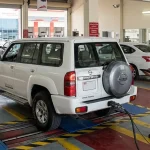
If your vehicle registration (Mulkiya) is due for renewal in Dubai, passing the RTA vehicle inspection is one of the most important steps. Every year, thousands of vehicles undergo testing to ensure they meet the safety and environmental standards set by Dubai’s Roads and Transport Authority (RTA).
Many vehicle owners fail their inspection due to minor issues that could have been fixed beforehand. Understanding exactly what inspectors check can save you time, money, and the inconvenience of a retest.
In this comprehensive guide, we’ll explain what gets checked during an RTA vehicle inspection, the most common reasons vehicles fail, testing fees, required documents, and practical tips to help you pass on the first attempt.
What Is the RTA Vehicle Inspection?
The RTA vehicle inspection is a mandatory roadworthiness and safety test required for vehicle registration renewal in Dubai. The inspection ensures that vehicles operating on UAE roads meet safety, environmental, and operational standards.
Vehicle inspections are conducted through authorized testing centres such as Tasjeel, Shamil, Wasel, and Al Mutakamela.
For the latest inspection requirements and regulations, vehicle owners should refer to the official Roads and Transport Authority (RTA) website.
When Is Vehicle Testing Required in Dubai?
Vehicle inspection is generally required for:
- Annual vehicle registration renewal
- Transfer of vehicle ownership
- Importing a vehicle into the UAE
- Exporting a vehicle from the UAE
- Certain vehicle modifications requiring approval
Most private vehicles require testing after three years from initial registration and annually thereafter.
If you’re unsure about the renewal process, read our complete guide on How to Register or Renew Your Car (Mulkiya) which explains the documents, fees, insurance requirements, and renewal process step-by-step.
Before renewing your vehicle, it is also worth checking whether you have any outstanding traffic fines or black points. Our guide on Understanding the Black Points System in Dubai explains how black points work and how they can affect motorists.
Documents Required Before Vehicle Testing
Before visiting a testing centre, ensure you have:
- Emirates ID
- Vehicle registration card (Mulkiya)
- Valid vehicle insurance
- Vehicle ownership documents
- Previous registration records (if applicable)
Having valid insurance before the inspection can help streamline the renewal process and avoid unnecessary delays.
Complete RTA Vehicle Inspection Checklist
The following components are typically inspected during the RTA vehicle test:
| Inspection Area | Checked During Inspection |
|---|---|
| Braking System | Yes |
| Parking Brake | Yes |
| Tires & Tread Depth | Yes |
| Steering System | Yes |
| Suspension | Yes |
| Lights & Indicators | Yes |
| Horn | Yes |
| Windshield & Wipers | Yes |
| Mirrors | Yes |
| Seat Belts | Yes |
| Battery Security | Yes |
| Chassis & VIN Number | Yes |
| Exhaust Emissions | Yes |
| Fluid Leaks | Yes |
| Vehicle Body Condition | Yes |
RTA Vehicle Inspection Checklist PDF
Use the checklist below before visiting a testing centre to improve your chances of passing on the first attempt:
□ Check all lights and indicators
□ Inspect tire condition and tread depth
□ Check windshield for cracks
□ Verify mirrors are secure and undamaged
□ Test all seat belts
□ Ensure the horn is functioning
□ Check brakes and parking brake
□ Inspect for oil or fluid leaks
□ Verify battery is securely mounted
□ Ensure dashboard warning lights are not illuminated
□ Confirm valid vehicle insurance
What Gets Checked During an RTA Vehicle Inspection?
1. Brake System
Inspectors examine:
- Brake efficiency
- Brake balance
- Brake pedal response
- Hydraulic components
Weak braking performance is one of the most common reasons vehicles fail.
2. Steering System
The steering system is checked for:
- Excessive play
- Alignment issues
- Component wear
- Safe operation
A properly functioning steering system is critical for vehicle safety.
3. Suspension System
Inspectors evaluate:
- Shock absorbers
- Springs
- Bushings
- Suspension leaks
Worn suspension components can negatively affect handling and road safety.
4. Tires and Wheels
Tires must meet minimum safety standards.
Inspectors check:
- Tread depth
- Tire condition
- Uneven wear
- Tire age
- Wheel damage
Old or damaged tires are among the leading causes of inspection failure.
5. Lights and Indicators
All lighting systems must operate correctly, including:
- Headlights
- Brake lights
- Reverse lights
- Turn signals
- Hazard lights
Even a single faulty bulb can result in a failed inspection.
6. Windshield, Glass and Mirrors
Inspectors examine:
- Windshield cracks
- Visibility issues
- Mirror condition
- Wiper operation
Anything that compromises driver visibility may result in failure.
7. Seat Belts
Seat belts must:
- Retract correctly
- Lock properly
- Show no signs of damage
Defective safety equipment is treated seriously during inspection.
8. Exhaust Emissions
The vehicle’s emissions are tested to ensure compliance with environmental standards.
Excessive smoke or emissions can lead to failure.
9. Vehicle Identification
Inspectors verify:
- Chassis number (VIN)
- Registration details
- Vehicle identification information
All details must match official records.
Top 10 Reasons Vehicles Fail RTA Inspection
Understanding common failure points can significantly improve your chances of passing.
1. Worn-Out Tires
Bald, cracked, or excessively worn tires frequently result in failure.
2. Faulty Lights
Broken headlights, brake lights, or indicators are common reasons vehicles fail.
3. Brake Problems
Brake imbalance or poor braking performance can prevent your vehicle from passing.
4. Suspension Defects
Damaged or leaking suspension components can affect vehicle stability.
5. Cracked Windshield
Any crack affecting visibility may result in inspection failure.
6. Fluid Leaks
Oil, coolant, and hydraulic leaks are commonly flagged during testing.
7. Steering Issues
Loose or worn steering components may fail safety standards.
8. Excessive Emissions
High emission levels often indicate engine or exhaust system problems.
9. Damaged Seat Belts
Faulty seat belts can result in immediate failure.
10. Dashboard Warning Lights
Warning lights relating to engine, ABS, or safety systems should be investigated before testing.
How Long Does an RTA Inspection Take?
Inspection times vary depending on demand and testing centre.
Typical timelines are:
- Vehicle inspection: 15–30 minutes
- Waiting time: 15–60 minutes
- Total process: 30–90 minutes
Visiting during non-peak hours can often reduce waiting times.
RTA Vehicle Testing Fees in Dubai
Vehicle testing and renewal fees can change periodically.
Costs may include:
- Vehicle inspection fee
- Registration renewal fee
- Innovation and knowledge fees
- Retest fee (if required)
For the latest fees, always refer to the official RTA website.
Popular Vehicle Testing Centres in Dubai
Dubai has several authorized vehicle testing centres including:
Before visiting, check operating hours and service availability directly with the testing centre.
How to Improve Your Chances of Passing the RTA Inspection the First Time
Passing the RTA vehicle inspection on your first attempt is usually a matter of preparation rather than luck. Before visiting a testing centre, take a few minutes to inspect your vehicle thoroughly. Check that all headlights, brake lights, reverse lights, and indicators are functioning correctly, as faulty lighting is one of the most common reasons for failure. Inspect your tires for adequate tread depth, uneven wear, and visible damage, and ensure they comply with UAE safety requirements. Verify that your windshield is free from cracks that may obstruct visibility and that your wipers are operating properly.
You should also look underneath the vehicle for any signs of oil, coolant, or hydraulic fluid leaks, as these can result in a failed inspection. Dashboard warning lights, particularly those related to the engine, ABS, or safety systems, should be addressed before testing. If your vehicle has not been serviced recently, consider arranging a professional pre-inspection through a trusted garage to identify potential issues before the official test.
Many vehicle owners choose to save time by using our RTA Inspection & Testing Service, where the vehicle is collected, tested, and returned after completion. If repairs are required beforehand, our Garage Pickup & Drop Service can transport your vehicle to and from the workshop. Taking these simple precautions can significantly improve your chances of passing on the first attempt while avoiding additional retest fees and delays.
Need Help with RTA Vehicle Testing?
Managing vehicle testing, registration renewal, and workshop visits can be time-consuming.
Comfort Drive offers professional RTA Inspection & Testing Services across Dubai. Our team can:
- Collect your vehicle
- Complete the RTA inspection process
- Assist with registration renewal
- Coordinate workshop visits if needed
- Return the vehicle to your location
You may also find these services useful:
Frequently Asked Questions
Can I pass an RTA inspection with a check engine light?
It depends on the cause of the warning light. Certain engine-related faults can affect emissions and may result in failure.
What happens if my vehicle fails?
You will receive a report identifying the failed items. Once repaired, the vehicle can be retested.
How long is the inspection certificate valid?
Validity periods vary depending on the inspection type and vehicle category.
Can someone else take my vehicle for testing?
Yes. Many vehicle owners use professional vehicle collection and testing services to complete the process on their behalf.
Do I need an appointment?
Many testing centres accept walk-ins, although checking availability beforehand is recommended.
Can I renew my registration immediately after passing?
Yes. Once your vehicle passes and all requirements are met, you can proceed with registration renewal.
Conclusion
Passing your RTA vehicle inspection doesn’t have to be stressful. By understanding what inspectors check and addressing potential issues beforehand, you can significantly improve your chances of passing on the first attempt.
Regular maintenance, proper documentation, and a simple pre-inspection check can save both time and money. Whether you’re renewing your Mulkiya, transferring ownership, or simply ensuring your vehicle remains roadworthy, preparation is the key to a smooth and successful inspection.
If you’d prefer a hassle-free experience, Comfort Drive can manage the entire testing and renewal process for you, allowing you to focus on your day while we take care of the vehicle inspection, paperwork, and logistics.